China Top Centrifugal Pump Seal Guide for Efficient Fluid Management?
In the world of fluid management, the efficiency of a system often hinges on the quality of its components. One crucial element is the Centrifugal Pump Seal. This device ensures minimal leakage while maximizing performance. An efficient seal can drastically reduce maintenance costs and downtime for businesses.
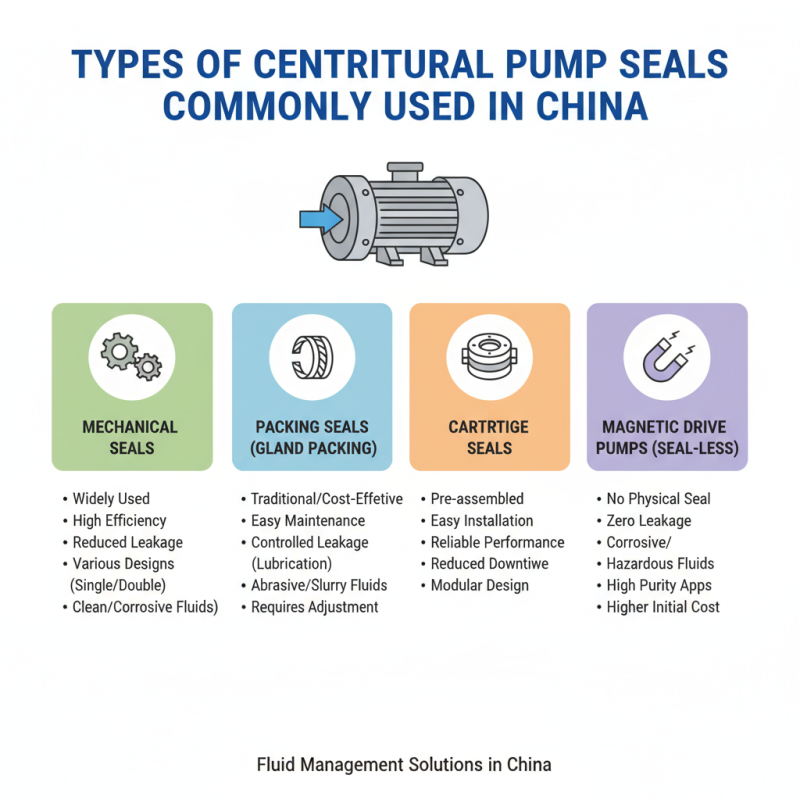
Understanding the different types of Centrifugal Pump Seals is essential for optimal operation. Each type has its strengths and weaknesses. Selecting the right seal may require careful consideration of fluid characteristics and pressure conditions. Knowledge gained from experience can guide this choice.
However, many still encounter issues with improper sealing. Identifying the right seal may be challenging. The complexities of various industrial applications often lead to mistakes. Continual learning and adaptation can improve the reliability of systems. Investing time in understanding these seals pays off in long-term efficiency.
Understanding Centrifugal Pump Seals and Their Importance
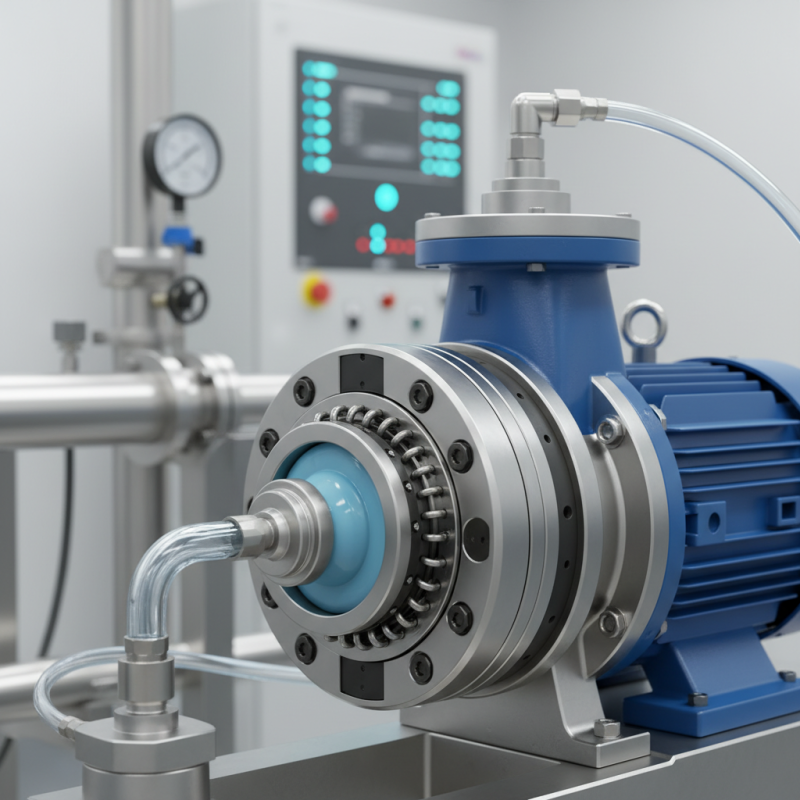
Centrifugal pump seals are vital for efficient fluid management. These seals prevent leaks, ensuring that fluids flow smoothly through piping systems. According to the Hydraulic Institute, improperly sealed pumps can lead to a 10% loss in efficiency and significant costs due to downtime and increased maintenance.
Regular inspection and maintenance of pump seals is crucial. A study by the American Society of Mechanical Engineers highlights that nearly 30% of failures in centrifugal pumps are related to seal issues. This demonstrates the need for keen attention to seal quality and lifecycle management.
Tip: Always choose seals that match the specific fluid types and operating conditions. This can substantially extend seal life.
The challenges faced in seal selection should not be underestimated. Compatibility with fluids and environmental conditions plays a significant role in performance. Additionally, improper installation can lead to premature failures. Attention to detail is key in selecting and installing pump seals.
Tip: Consult industry best practices when installing seals. Following manufacturer guidelines can mitigate many common issues.
Factors to Consider When Choosing a Pump Seal for Efficiency
Choosing the right pump seal is crucial for efficient fluid management in any industrial setting. Several factors should guide your decision. The seal's material is one of the most important considerations. Different materials have varying resistance to chemicals and temperatures. For example, PTFE seals perform well in corrosive environments but may not be suitable for high temperatures. Understanding the specific conditions your system faces is essential.
Another critical factor is the seal design. Various designs are available, such as elastomeric or mechanical seals. Each design comes with its advantages and limitations. Elastomeric seals are easier to replace but may wear out faster. Mechanical seals offer a longer lifespan but require more precise installation. Analyze your operational needs to determine which design best aligns with your goals.
Finally, consider the installation and maintenance processes. A complex installation may delay your operations and lead to costly mistakes. Regular maintenance is also essential for long-term efficiency. Sometimes, even the best seals need adjustment or replacement. Keeping a close eye on their performance can prevent unexpected downtime. Reflecting on these elements will guide you in choosing an effective pump seal tailored to your needs.
Maintenance Tips for Improving Centrifugal Pump Seal Performance
Centrifugal pump seals are vital for efficient operations in fluid management. To enhance their performance, regular maintenance is essential. Inspecting seals frequently can help identify wear and tear before it leads to major issues. A visual check can reveal cracks or erosion.
Proper lubrication is crucial. Over-lubricating seals can cause fluid leakage, while under-lubricating may lead to overheating. Finding the right balance is often a trial-and-error process. Replace seals at the first sign of damage. Ignoring this can escalate repair costs and downtime.
Temperature control is another key factor. Extreme temperatures can compromise seal integrity. Monitoring operating conditions regularly helps in maintaining optimal performance. Consider implementing sensors to track these metrics continuously. It’s important to note that even small variations can have significant impacts. Regular training for staff on best practices can further contribute to prolonging seal life, as it creates a culture of vigilance and prevention.
Advancements in Centrifugal Pump Seal Technology and Applications
Advancements in centrifugal pump seal technology have significantly enhanced fluid management in recent years. Modern seals now offer better durability and efficiency. They reduce leakage, which is crucial for environmental compliance. New materials, like advanced ceramics and composites, improve resistance to wear and corrosion. This is vital in various industries, including petrochemicals and water treatment.
Tips for selecting the right seal: Focus on the fluid's characteristics, such as temperature and pressure. Evaluate the specific application to ensure optimal performance. It's not just about the price; long-term savings matter. Sometimes, a lower initial cost leads to higher failure rates.
Many industries still face challenges in seal reliability. Insufficient maintenance practices can hinder pump performance. Regular inspections and staff training are often overlooked. Taking these steps can prevent costly downtimes. Embracing technological advancements while addressing human factors is essential for improved outcomes.