10 Essential Tips for Choosing the Right Centrifugal Pump Seal
Choosing the right centrifugal pump seal is critical for ensuring optimal performance and longevity. This selection process can be challenging. Various factors influence the effectiveness of centrifugal pump seals, and overlooking key details can lead to failures.
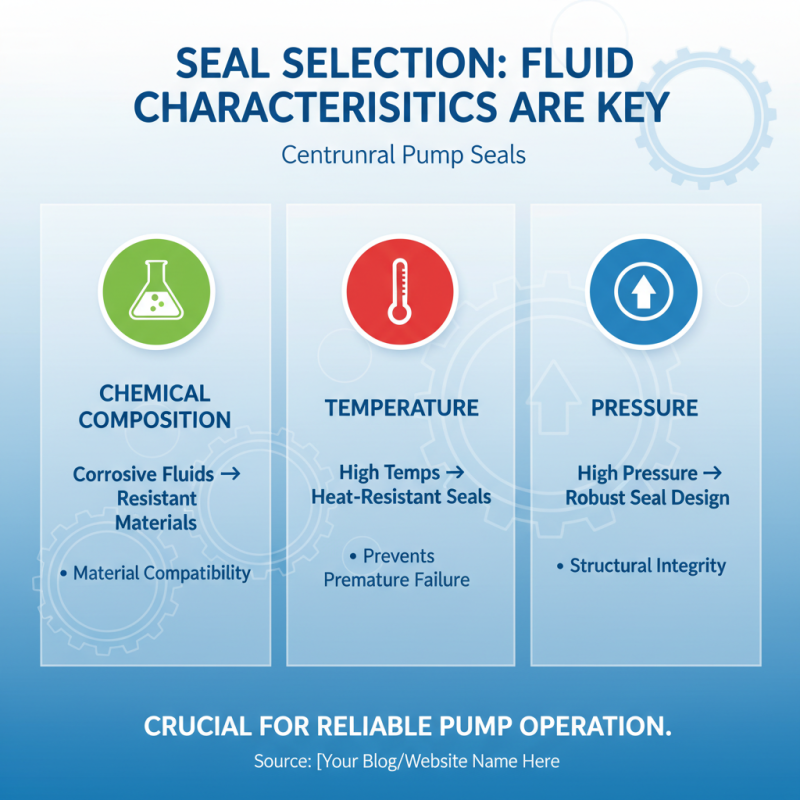
The seal's material must match the fluid and conditions in which the pump operates. Temperature, pressure, and chemical compatibility are essential considerations. Using an inappropriate seal can result in leaks and increased maintenance costs. Moreover, the installation process should not be underestimated. Poor installation can compromise even the best seals.
It is crucial to understand the specific environment of the pump. For example, applications with abrasive materials require robust seals. However, sometimes, users might not prioritize these aspects, leading to frequent replacements. Reflecting on past failures often reveals overlooked details that are vital for success.
Understanding the Different Types of Centrifugal Pump Seals in Use Today
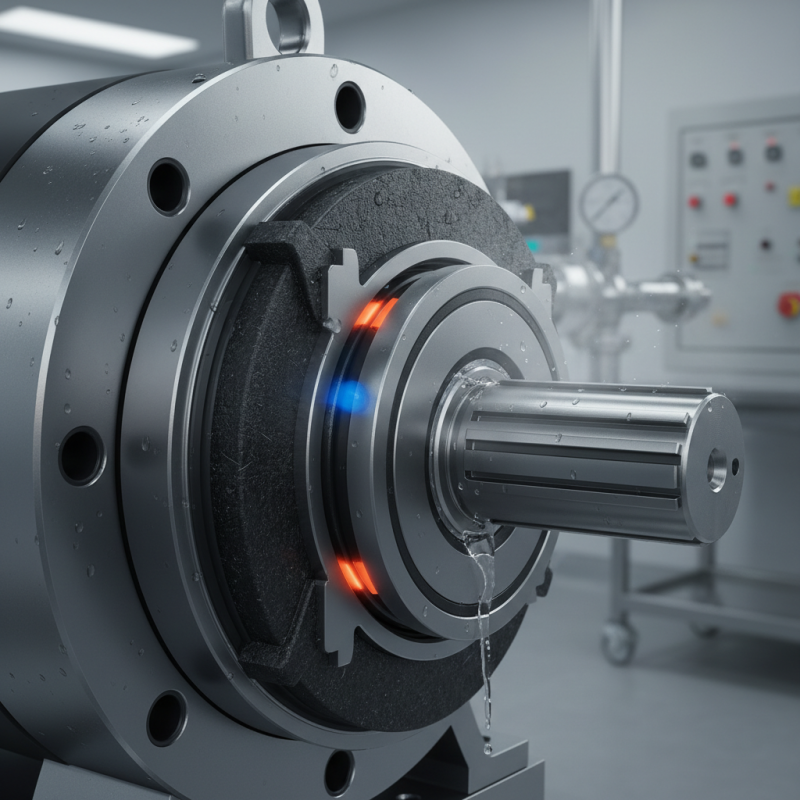
Centrifugal pump seals are crucial for preventing leaks and ensuring efficient operation. There are several types used today, each suited for different applications. Mechanical seals, for instance, are popular due to their reliability. They consist of two flat surfaces that rotate against each other, minimizing leakage. This is often the preferred choice in industries handling volatile fluids.
Other types include gland packings. These are simpler and often more cost-effective. They use braided rope materials, creating a tight seal around the pump shaft. However, they may require more maintenance and can wear down faster than mechanical seals. Understanding the environment and the fluids being pumped is vital. High temperatures and pressures dictate the type of seal required.
Another consideration is the seal material. Various options exist, including rubber, ceramic, and carbon. Each has its own properties and resistance to chemicals. For instance, ceramic seals are more resilient but can be brittle. Evaluating these aspects can be challenging. Making the right choice may take time and experience. There's a balance between cost and long-term reliability that needs careful thought.
Evaluating Material Compatibility for Optimal Pump Seal Performance
When selecting the right centrifugal pump seal, material compatibility is crucial. Different fluids interact with materials in complex ways. According to a study by the Hydraulic Institute, improper material choices can lead to premature seal failure. This not only increases maintenance costs but also disrupts operations.
Consider the fluid's temperature and chemical properties. High temperatures can degrade certain elastomers, while aggressive chemicals might corrode metallic components. Evaluating these factors ensures optimal performance. A report by the American Society of Mechanical Engineers highlights that nearly 30% of pump failures stem from seal issues related to material compatibility.
Tip: Always assess the service conditions before finalizing your seal choice. Consult material data sheets for specific interactions. Monitor operational parameters regularly. An unexpected temperature spike might reveal material weaknesses. This proactive approach enhances reliability and paves the way for longer service life.
Also, be aware that not all seals claim to be universal. Some materials may seem ideal on paper but fail in real-world applications. A fleet manager should gather data on previous seal performances. These insights are invaluable when selecting a suitable material for demanding environments.
Key Performance Metrics: Seal Life Expectancy and Failure Rates Insights
When selecting a centrifugal pump seal, understanding seal life expectancy and failure rates is crucial. The seal's longevity depends on various factors such as material selection, operating conditions, and installation practices. For instance, mechanical seals may offer durability but require meticulous installation. Improper mounting can lead to premature failure, even with the right material.
Failure rates are another significant metric. They can range widely, influenced by environmental factors and pump usage. High temperatures or corrosive substances can dramatically increase the likelihood of seal breakdown. Regular monitoring of operating conditions can help in early detection of potential issues. It's often overlooked, but addressing minor leaks promptly can prevent catastrophic failures later.
Different applications can lead to different wear patterns. Understanding these nuances enhances performance reliability. Users might underestimate the importance of maintenance routines. Regular inspections and replacements can extend seal life, reducing overall operational costs. Balancing these elements is essential, and taking time to evaluate each factor carefully can yield better performance outcomes.
10 Essential Tips for Choosing the Right Centrifugal Pump Seal - Key Performance Metrics: Seal Life Expectancy and Failure Rates Insights
| Seal Type |
Life Expectancy (Years) |
Failure Rate (%) |
Operating Temperature (°C) |
Chemical Compatibility |
| Mechanical Seal |
5-10 |
2.5 |
-20 to 200 |
Good |
| Lip Seal |
3-7 |
5 |
-10 to 100 |
Fair |
| O-Ring Seal |
4-8 |
3 |
-30 to 150 |
Excellent |
| Screw Seal |
6-12 |
1.8 |
-40 to 250 |
Very Good |
| Magnetic Seal |
7-15 |
1.0 |
-50 to 300 |
Excellent |
Cost-Benefit Analysis: Balancing Initial Investment with Long-term Performance
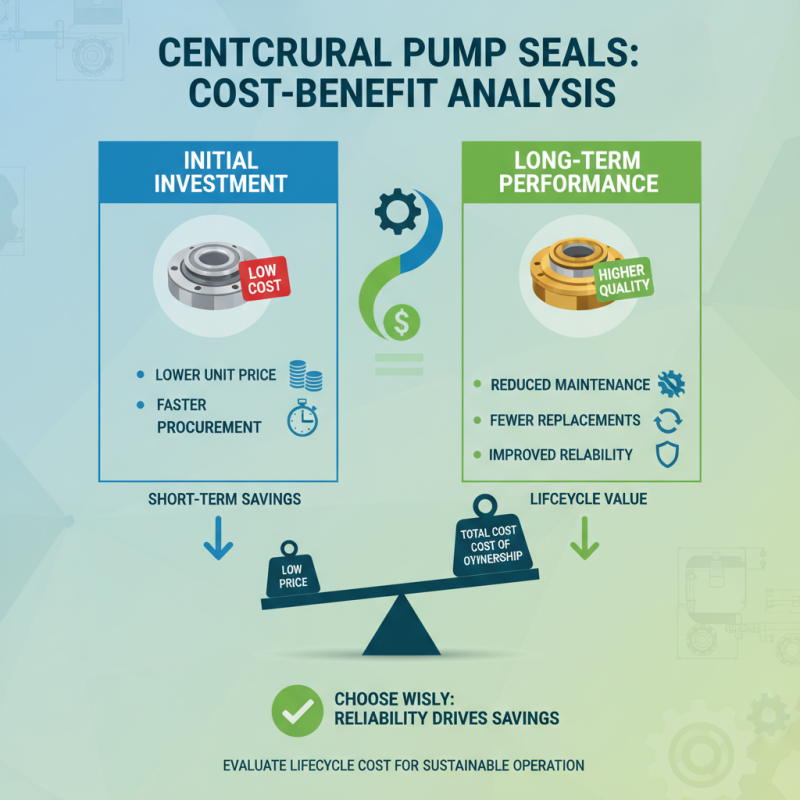
When choosing a centrifugal pump seal, cost-benefit analysis plays a critical role. An initial low-cost seal might seem attractive, but consider its long-term performance. A cheaper option may lead to higher maintenance costs and frequent replacements, impacting your budget over time. Evaluating the lifecycle cost is essential to ensure long-term reliability.
The right seal material can significantly affect performance and durability. For example, elastomers offer flexibility but may wear out faster in harsh conditions. A more robust material might have a higher upfront cost but provide better resistance to wear and tear, translating into savings later. Balancing these factors is crucial for a wise investment.
Investing in quality seals can minimize downtimes. The implications of minimizing leaks or failures extend beyond immediate costs. Think about environmental impact too. Choosing a seal that reduces leaks is an ethical decision. Navigating the options might be challenging, but the potential for improved performance and lower total cost is worth the effort.