What is Metal Bellow Mechanical Seals and How Do They Work?
Metal Bellow Mechanical Seals play a crucial role in various industries. They are designed to provide reliable sealing in rotating equipment. According to Dr. John Smith, a leading expert in sealing technologies, "Metal Bellow Mechanical Seals offer unmatched flexibility and reliability."
These seals work by utilizing a metal bellow to maintain a continuous seal interface. This design minimizes wear and allows for thermal expansion. With their enhanced durability, Metal Bellow Mechanical Seals reduce the risk of leaks and equipment failure.
Yet, despite their advantages, challenges remain. Installation requires precision, and incorrect fitting can lead to performance issues. Continuous maintenance is also essential to ensure longevity. Understanding these aspects is vital for operators wanting to maximize the benefits of Metal Bellow Mechanical Seals.
What Are Metal Bellow Mechanical Seals and Their Applications?
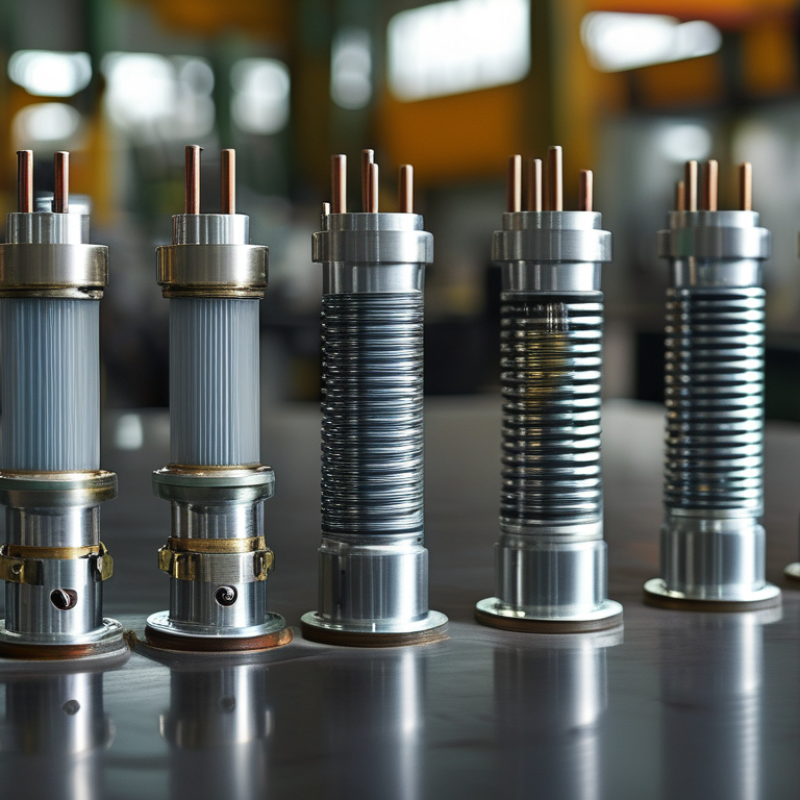
Metal bellow mechanical seals are crucial in many industrial applications. They provide a reliable method for preventing leaks in rotating equipment. These seals are designed with a flexible metal bellow that compensates for shaft movement and thermal expansion. This feature makes them ideal for high-pressure and high-temperature environments, such as pumps and compressors.
Metal bellow seals find applications in various industries, including oil and gas, power generation, and chemical processing. According to recent industry reports, the demand for these seals in the global market is projected to grow at a CAGR of 5.2% from 2023 to 2028. This growth is driven by the increasing need for energy-efficient solutions and advancements in sealing technology. Industries are continually seeking reliable sealing solutions to enhance operational efficiency while minimizing environmental impact.
Tips: Regular maintenance can increase the lifespan of metal bellow seals. Inspecting for wear and tear helps prevent unexpected failures. Keeping accurate records of seal performance can also provide valuable insights for optimization. Remember, even the best seals can fail if installed improperly or subjected to excessive loads. Proper training for technicians ensures that seals are used effectively in various applications.
The Fundamental Components of Metal Bellow Mechanical Seals Explained
Metal bellow mechanical seals are essential components in various industrial applications. They provide a reliable barrier to contain fluids and prevent leakage. Understanding their fundamental components helps clarify their functions.
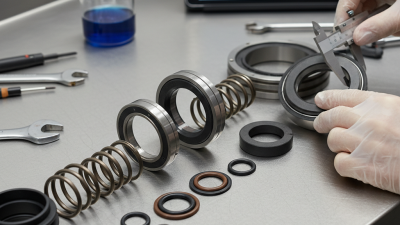
The key components of metal bellow mechanical seals include the bellow itself, the drive ring, and the stationary seat. The metal bellow is typically made of high-strength alloys. It can flex while maintaining pressure integrity. This flexibility allows it to adapt to operational changes in the system. The drive ring connects to the rotating shaft, ensuring motion transfer. It needs to fit tightly to maintain a secure seal.
While these components are effective, challenges exist. For instance, improper installation can lead to failure. The materials used must also withstand harsh conditions. Engineers need to choose designs wisely based on specific needs. It's not merely about sealing; it's about durability and performance.
Understanding Metal Bellow Mechanical Seals
This bar chart illustrates the various fundamental components of Metal Bellow Mechanical Seals and their relative importance in overall performance.
How Do Metal Bellow Mechanical Seals Function in Different Environments?
Metal bellow mechanical seals are essential in various environments, including chemical, oil, and water applications. These seals consist of a flexible metal bellow that accommodates movement while ensuring a tight seal. This unique design allows them to perform effectively under different conditions. They are resistant to pressure and temperature fluctuations, making them ideal for demanding tasks.
In harsh environments, metal bellow seals can withstand extreme temperatures. They maintain integrity even when exposed to corrosive substances. The sealing capacity remains reliable when facing vibration and misalignment too. However, installation requires precision. Misalignment could lead to premature failure. Regular maintenance checks are critical to confirm that the seals function as intended.
The versatility of these seals is impressive. They adapt well to various fluids, whether volatile chemicals or viscous oils. Yet, some environments may present challenges. For instance, particulate contamination can wear out seals faster. Engineers must consider these factors during design and application. A proactive approach ensures optimal performance and longevity in diverse settings.
What is Metal Bellow Mechanical Seals and How Do They Work?
| Environment |
Operating Pressure (psi) |
Temperature Range (°C) |
Fluid Types |
Common Applications |
| Chemical Processing |
500 |
-20 to 200 |
Acids and Bases |
Reactors, Pumps |
| Water Treatment |
300 |
5 to 60 |
Water, Chemicals |
Filtration Systems |
| Marine Applications |
150 |
-10 to 50 |
Sea Water, Fuel Oils |
Pumping Systems, Engines |
| HVAC Systems |
250 |
-10 to 85 |
Refrigerants |
Compressors, Chill Units |
| Pharmaceuticals |
200 |
0 to 100 |
Biological Fluids |
Mixing Tanks, Sterilizers |
Advantages of Using Metal Bellow Mechanical Seals in Industrial Applications
Metal bellow mechanical seals are gaining traction in various industrial applications. Their innovative design features a flexible metallic bellow that allows for effective sealing under fluctuating pressure and temperature. This adaptability ensures a tight seal even in demanding conditions, reducing the risk of leaks and equipment failure. Industries such as chemical processing, oil and gas, and water treatment benefit greatly from this technology.
One major advantage of metal bellow seals is their durability. Unlike traditional seals, they resist wear and corrosion. This longevity contributes to lower maintenance costs and improved operational efficiency. Additionally, metal bellow seals can handle a wide range of fluids. They excel in both high-viscosity and abrasive environments. However, the manufacturing process can be complex, and quality control is crucial to avoid potential failures.
While these seals offer many benefits, they are not universally superior. Their initial installation cost may be higher compared to standard seals. Proper training is needed for personnel to install and maintain these seals effectively. This is an area requiring careful consideration, as a lack of expertise can negate some advantages. In summary, while metal bellow mechanical seals present a reliable solution, careful evaluation of their application is necessary for optimal results.
Key Industry Standards and Data Regarding Metal Bellow Mechanical Seals
Metal bellow mechanical seals are essential components in various industrial applications. They are designed to prevent leaks in rotating equipment. These seals operate using a combination of elasticity and strength provided by the metal bellow, which accommodates movement and misalignment. Data from the Fluid Sealing Association indicates that the global mechanical seals market is projected to reach $6.9 billion by 2025, highlighting the importance of these seals in the industry.
When discussing key industry standards, specific metrics matter. For instance, the maximum operating temperature for metal bellow seals can reach up to 400°C. Meanwhile, the pressure capacity can exceed 50 bar. These seals must meet stringent standards, such as ISO 9001, to ensure safety and reliability. Many manufacturers focus on improving these seals' performance to minimize maintenance costs and downtime.
Tip: Regularly inspect these seals for wear and tear. This can prevent costly failures later. Additionally, understanding the specific operational environment can help select the right seal configuration. Keeping up to date with industry advancements is crucial. Continuous learning can enhance efficiency and reduce risks in operations.